New Piling Installation
Wood, concrete, or composite pilings driven to refusal from our own crane barge — on our schedule, not a rental window.

New pilings, replacements under existing docks, and protective wraps — driven and set from our own crane barge, on our schedule instead of a rental window.
The part of the dock that does all the work
Everything on your waterfront stands on pilings — the dock, the lift, the boat on the lift.
In our water the threats are marine borers eating unprotected wood from the inside and section loss at the waterline where wet-dry cycling is constant. Both develop quietly over years, and both are manageable: wraps stop borer attack on sound piles, and individual piles can be replaced under an existing dock without rebuilding it.
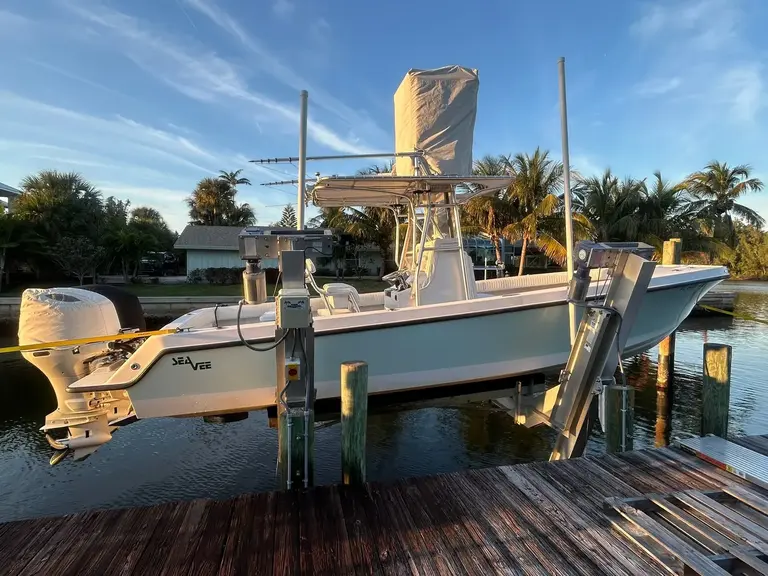
Wood, concrete, or composite pilings driven to refusal from our own crane barge — on our schedule, not a rental window.
Replacement beneath existing docks and lifts, one pile or a full set, with the deck sectioned locally and restored.
Wraps that seal sound piles against marine borer damage — stopping borer attack before it hollows a pile from the inside.
Piling inspections with photos, so you know what you're standing on before you invest in decking or a lift above it.
Below-waterline piling inspections with photos let you know what you're standing on before you invest in decking or a lift above it. Planning a project on top? See composite docks, wood docks, boat lifts, or the full dock construction overview.
Wood remains a practical choice when the design, exposure, and maintenance plan support it. Naturally durable hardwoods such as greenheart can resist marine conditions better than ordinary unprotected timber, but every wood pile still needs honest attention at the waterline and below it. A wrap can protect sound piles from marine borers; it cannot restore a pile that has already lost its section.
Concrete provides a rigid, durable foundation when the site and loads call for it. The design still has to account for driving, soil, water depth, connection details, and the way the dock or lift transfers load into the piles. Concrete is not a shortcut around engineering; it is one material in a complete waterfront structure.
Composite or fiberglass piles resist marine borer damage and can be a strong fit where low maintenance matters. Their capacity, connection details, and installation method still need to match the dock or lift above them. The right comparison is total exposure and required load, not material name alone. We discuss those trade-offs alongside the dock repair scope.
Inspect and lay out
We document the existing dock or lift, identify the piles that are carrying load, and plan access for the barge and equipment.
Extract where needed
For replacement work, the deck is sectioned locally and failed piles are removed without assuming the entire dock must come down.
Drive to the designed depth
The new piles are positioned and driven from the water, with the depth and alignment checked against the design and site conditions.
Reconnect and document
We restore the deck or lift connections, inspect the finished work, and leave the owner with a clear record of what was replaced or protected.
A failing pile is not always dramatic. Look for a dock that shifts under normal foot traffic, a lift that no longer sits square, or a corner that drops when a boat is loaded. At low tide, check for necking or an hourglass shape at the waterline, soft wood that can be probed, open seams in a wrap, marine growth hiding a damaged section, or fasteners that no longer sit tight. Cracks in concrete, exposed reinforcement, or a pile leaning away from the dock also deserve attention.
Do not test a questionable pile by loading the dock or running a lift harder. A below-waterline inspection with photos tells us whether the issue is one isolated pile, a connection problem, or a pattern affecting the structure. If the dock is already moving, pair the piling review with a dock repair assessment and describe the movement so we can scope the right visit.